Roadway engineering in Guelph encompasses the full spectrum of planning, analysis, design, and construction management for transportation infrastructure that keeps our community connected and economically viable. From arterial roads and collector streets to rural access routes and industrial parkways, this category covers the geotechnical and structural considerations essential for safe, durable, and cost-effective pavement systems. In a city experiencing steady growth, with new subdivisions and commercial developments placing increased demand on existing corridors, professional roadway design ensures that infrastructure can handle current traffic loads while anticipating future needs. The integration of subsurface investigation, material characterization, and structural analysis forms the backbone of every successful roadway project in the region.
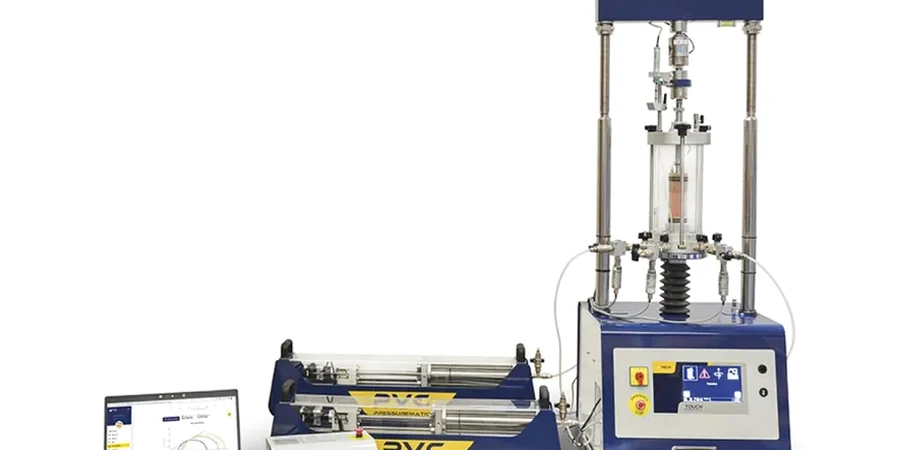
Guelph’s unique geological setting, shaped by glacial activity and the underlying bedrock of the Guelph Formation, presents distinct challenges and opportunities for roadway construction. The local stratigraphy typically features silty clay tills, glaciofluvial sands and gravels, and occasional organic deposits in low-lying areas near the Speed and Eramosa Rivers. Variable groundwater conditions and the presence of moisture-sensitive soils demand thorough geotechnical investigation before any pavement design begins. A proper CBR study for road design evaluates the load-bearing capacity of the subgrade, providing critical input for determining pavement thickness and material requirements. Without this foundational assessment, roads risk premature failure through rutting, cracking, or frost heave during Guelph’s freeze-thaw cycles.
The regulatory framework governing roadway projects in Guelph aligns with provincial standards under the Ontario Ministry of Transportation (MTO) and the Ontario Provincial Standards for Roads and Public Works (OPS), supplemented by local City of Guelph design manuals and standard drawings. Key documents include the MTO Pavement Design and Rehabilitation Manual, which outlines methodologies for both empirical and mechanistic-empirical design approaches, and the Ontario Traffic Manual for safety and geometric considerations. Environmental assessments under the Municipal Class Environmental Assessment process may also apply, particularly for new roadway corridors or major widenings. Compliance with these standards ensures that designs meet minimum structural and safety criteria while addressing site-specific conditions like Guelph’s aggressive winter environments and spring thaw weakening periods.
Roadway projects in Guelph typically fall into two primary pavement categories, each requiring specialized design expertise. Flexible pavement design remains the predominant choice for most municipal roads, parking lots, and low-to-medium volume highways, utilizing layered asphalt concrete over granular base and subbase materials that distribute loads while accommodating minor subgrade movements. For high-traffic intersections, industrial facilities, and transit corridors where rutting resistance and long-term durability are paramount, Rigid pavement design employing Portland cement concrete slabs offers superior performance under heavy, channelized loading. The selection between these systems depends on traffic projections, soil conditions, life-cycle cost analysis, and maintenance considerations specific to each project site within the city.
Common questions
What are the key factors that influence roadway design decisions in Guelph?
Roadway design in Guelph is influenced by subgrade soil conditions, traffic volume and loading characteristics, climate factors including freeze-thaw cycles, groundwater conditions, and available construction materials. Geotechnical investigations such as CBR testing establish the foundation for pavement thickness calculations, while local standards from the City of Guelph and Ontario Provincial Standards govern geometric design, drainage requirements, and structural specifications. Life-cycle cost analysis and future maintenance considerations also play significant roles in selecting appropriate pavement types.
How does Guelph's geology affect the performance of road pavements?
Guelph’s glacial soils, including silty clay tills and moisture-sensitive deposits, can experience significant strength reductions during spring thaw and wet periods. Without proper subgrade preparation and drainage design, these conditions lead to differential settlement, frost heave, and accelerated pavement deterioration. The underlying Guelph Formation dolostone bedrock provides competent bearing at depth but may require specialized excavation techniques. Understanding these geological variables through thorough site investigation is essential for predicting long-term pavement performance.
What standards and regulations apply to roadway construction in Ontario?
Roadway projects in Guelph must comply with the Ontario Provincial Standards for Roads and Public Works (OPS), the MTO Pavement Design and Rehabilitation Manual, and City of Guelph-specific design standards and standard drawings. The Ontario Traffic Manual governs signage, markings, and safety features. For projects involving new corridors or significant modifications, the Municipal Class Environmental Assessment process applies. These layered regulations ensure consistency, safety, and structural adequacy across all municipal and provincial roadway infrastructure.
When should flexible pavement be chosen over rigid pavement for a roadway project?
Flexible pavement is generally preferred for roads with lower to moderate traffic volumes, where staged construction or future overlays are anticipated, and where initial construction cost is a primary concern. It performs well on subgrades that may experience minor movements and is easier to repair through patching and resurfacing. Rigid pavement becomes advantageous under heavy, channelized traffic loads such as bus lanes, industrial truck routes, and intersections, offering superior long-term durability and reduced maintenance frequency despite higher initial investment.